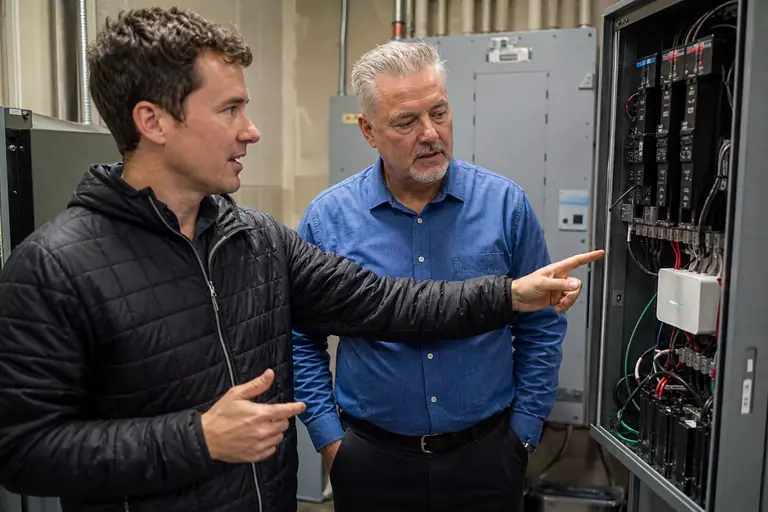
Clean tech startups usually find their first San Diego customers by picking one narrow segment, offering a small paid pilot with clear success measures, and reaching buyers through warm introductions rather than cold outreach. The first goal is not revenue. It is two or three local customers who will take a reference call and say the product did what you promised.
Pick a segment you can name
“Commercial buildings” is not a segment. “Biotech lab buildings in Sorrento Valley with high ventilation loads” is. A narrow segment lets you learn one buyer’s language, one set of objections and one budget cycle. It also means each customer you win makes the next sale easier, because the second buyer knows the first.
San Diego has several buyer groups worth testing.
- Life science and lab buildings: heavy energy users with facilities teams who track costs closely.
- Hospitality and restaurants: tight margins, high utility bills and owners who make decisions fast.
- Breweries, wineries and food producers: process energy, water and waste streams that are easy to measure.
- Property managers: one relationship can open a portfolio of buildings.
- Fleets and logistics: delivery and service operators facing California’s clean fleet rules.
- Public agencies, schools and the military: large and stable buyers with long, formal procurement.
Pick the group where the pain is sharpest and the buyer can sign without a year of committee review. Agencies and bases can be great anchor customers, but they are rarely the fastest first sale.
Before you pitch, talk to ten people in the segment without selling anything. Ask what they spend on the problem now, who approves the spending and what a bad vendor experience looked like. Those answers write your sales script and tell you whether the segment is worth the effort.
Sell a paid pilot, not a free trial
Free trials tell you whether someone likes free things. A paid pilot, even a small one, tells you whether a buyer has budget and a real problem. It also gets you into the customer’s purchasing system, which matters when you want to expand.
- Agree on one or two success measures before you start, such as kWh saved, gallons saved, downtime avoided or labor hours cut.
- Set a fixed term, often 60 to 120 days, and a fixed price.
- Record a baseline with the customer’s own data, like SDG&E interval data or water bills.
- Name what happens if the pilot hits the target: a purchase order, a wider rollout or a contract.
- Schedule a results meeting on the calendar on day one.
Write the results up in plain numbers. A one-page summary that says what was measured, how and what changed is worth more than any pitch deck, and it is the start of claims you can defend. Vague results lead to vague marketing, and buyers have learned to discount both.
Get through procurement
Many first deals stall after the champion says yes. Ask early who else signs, and what they need. Expect some of these:
- A certificate of insurance with specific coverage limits.
- A security review if your product touches the customer’s network or building controls.
- A W-9 and vendor setup forms, sometimes weeks before payment.
- A supplier sustainability questionnaire from larger buyers.
- Registration in a vendor portal for cities, school districts and agencies.
If you plan to sell to large companies, prepare for their questionnaires now. Our guide on answering supplier sustainability questionnaires explains what buyers ask for. For public buyers, read the agency’s purchasing rules and watch its bid postings before you pitch, so you know what format a purchase has to take.
Use warm introductions
Cold email to a facilities director rarely works for a company nobody has heard of. Introductions from people the buyer already trusts do. In San Diego that often means installers, engineers, contractors and consultants who already sit in the buyer’s building. A solar installer, an HVAC contractor or an energy consultant who recommends your product brings their credibility to the meeting.
Build those partner relationships on purpose. Learn what each partner’s customers complain about. Offer a referral fee or a reseller margin if it fits your model. Show up where buyers and partners meet in person, and follow up with something useful, not a calendar link.
Funding programs can help too. The California Energy Commission funds clean energy research and demonstration projects, and federal small business research programs support early technology. Grant timelines are long, so treat them as support for pilots, not a replacement for customers.
Turn the first wins into the next sale
Once a pilot works, ask for three things: a purchase, a reference call and permission to share the numbers. Many customers will agree to a reference call even when they won’t allow a public case study. Respect what they approve, and never round up results to make a better story. In a market where buyers watch for greenwashing, an accurate small number is more persuasive than a large fuzzy one.
How the chamber helps
The San Diego Green Chamber is a network of businesses that already sell, install and buy sustainability products, which is the room where warm introductions happen. Members meet at free networking events co-hosted with San Diego Green Drinks, get a Member Business Directory listing, and join a peer group of EV and clean tech companies and the trades that work with them. U.S. Green Chamber membership is included. See what membership includes.
Questions
How should a clean tech startup find its first customers in San Diego?
Pick one narrow segment, offer a small paid pilot with agreed success measures, and reach buyers through partners they already trust. Aim for two or three local references before scaling.
Should our first pilot be free?
A small paid pilot is usually better. Payment proves the buyer has budget and gets you into their purchasing system for the next order.
Are public agencies good first customers?
They can be strong anchor customers, but procurement is formal and slow. Most startups land a private customer first and pursue agencies in parallel.
What should a pilot report include?
The baseline, how it was measured, what changed and over what period, in plain numbers the customer agrees with.
Prove it. Get referred for it.
Join the San Diego Green Chamber to get listed, introduced and referred by businesses that check.